Winter birds in the garden
Species in the garden in winter and feed that attracts them
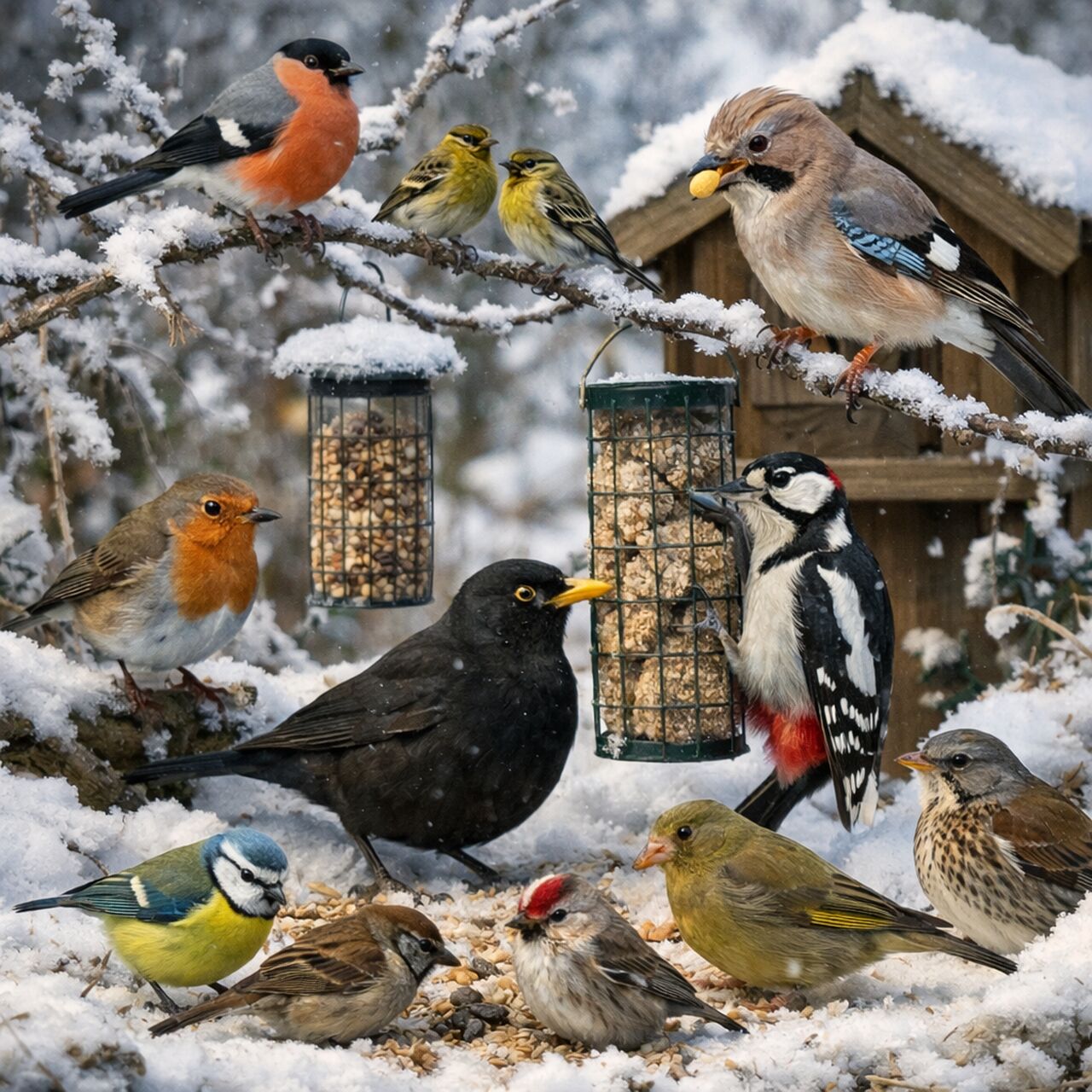
In autumn and winter, the garden becomes an important feeding ground for many birds. Which species visit you depends on your region, how close you live to woodland/fields/towns, and, not least, what food you offer 🐦
Here is an easy-to-follow guide to winter birds in the garden – and what typically attracts them to your feeding station. Use the list as inspiration to make your garden more bird-friendly throughout the winter.
In short: If you want more species, offer several types of food (seeds, fat and fruit), keep the food dry, and give the birds a sense of security with a clear view and cover.
How to attract more winter birds to your garden
3 simple things that work:
- A variety of food: sunflower seeds, fat and fruit attract more species
- Safe positioning: an elevated feeding station with a clear view and cover at a suitable distance
- Water: a shallow bowl of fresh water (important in freezing weather)
💡 Tip: Distribute food between 2–3 small locations. Some birds are cautious and stay away if it is crowded.
🗂️ Winter birds in the garden: Food guide
Below you will find an overview of common species. You do not need to know their Latin names, but they are included for reference.
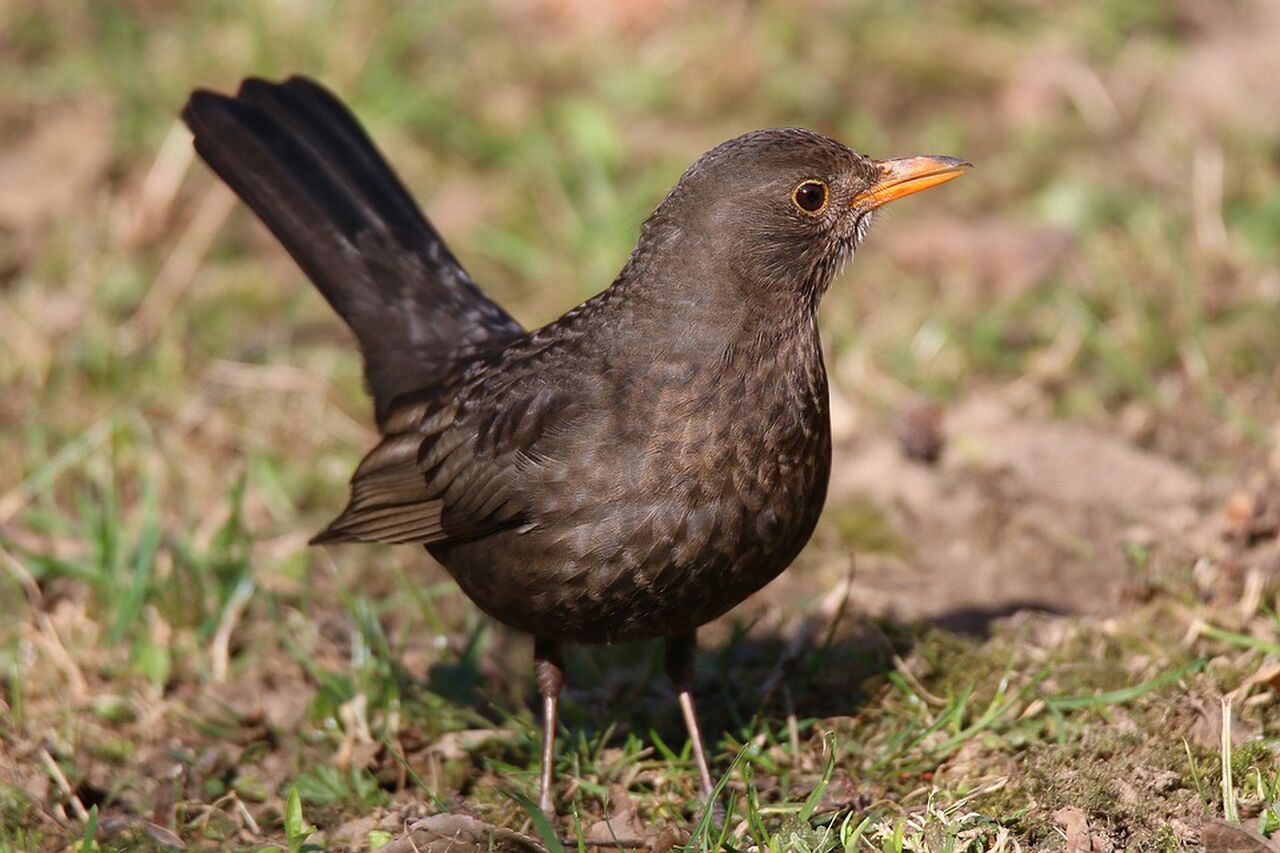
Blackbird (Turdus merula)
The blackbird is one of the most common thrushes found in gardens. It is typically 23–29 cm long and can be seen all year round. The male is black with an orange bill, while the female is often browner.
- Food: apples, fruit, raisins in small quantities, soft food
- Behaviour: often feeds on the ground or at a low feeding station
Tree sparrow (Passer montanus)
The tree sparrow resembles the house sparrow but often has a warmer brown/copper colouring. It is approx. 12–14 cm long and can be a frequent visitor, especially where seeds and grain are provided.
- Food: grain, seed mixes, sunflower seeds
- Behaviour: often seen in small flocks, can be a regular winter visitor
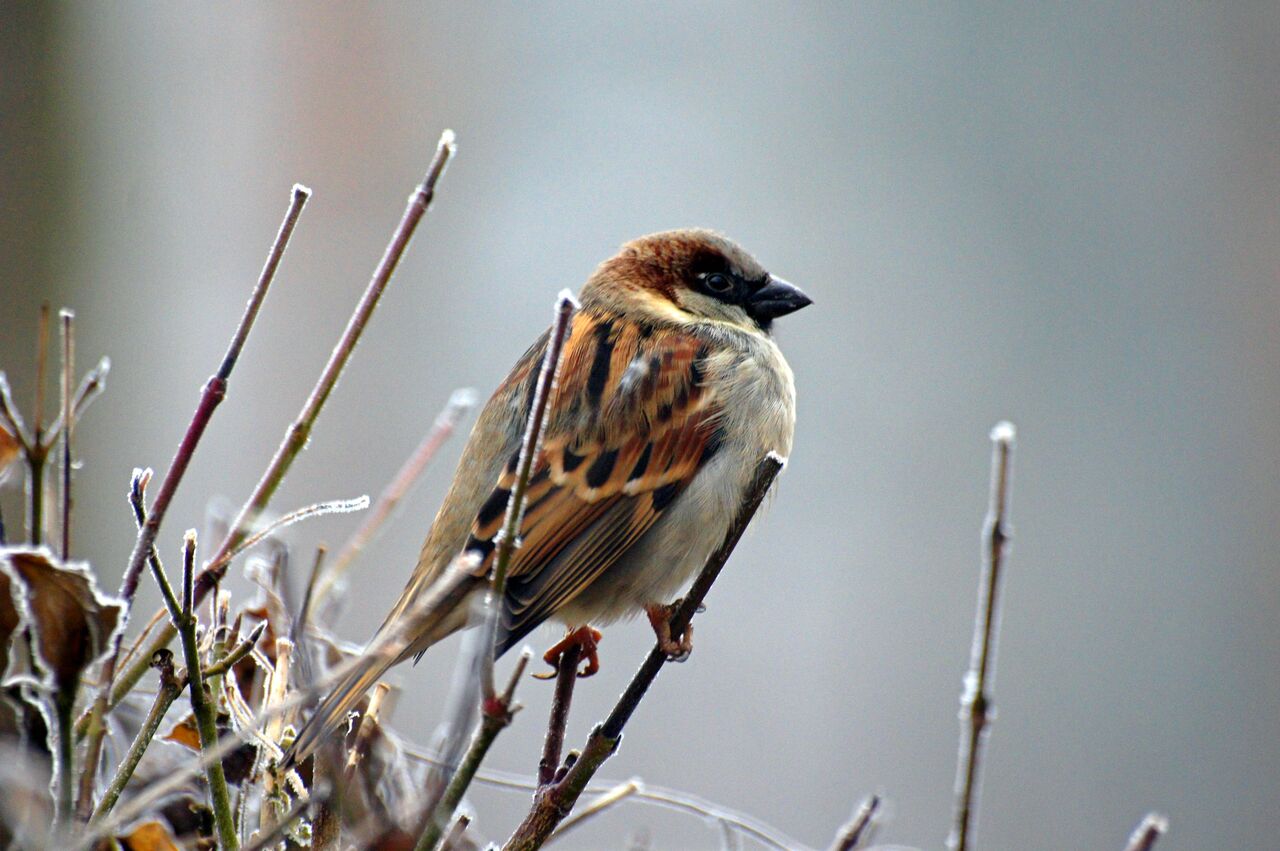
House sparrow (Passer domesticus)
The house sparrow is sociable and often arrives in flocks. It is typically recognised by its grey/brown plumage and thrives around people. It readily eats many types of seeds and grain.
- Food: grain, seed mixes, crumbs and scraps
- Behaviour: a flocking bird that can dominate the feeding station
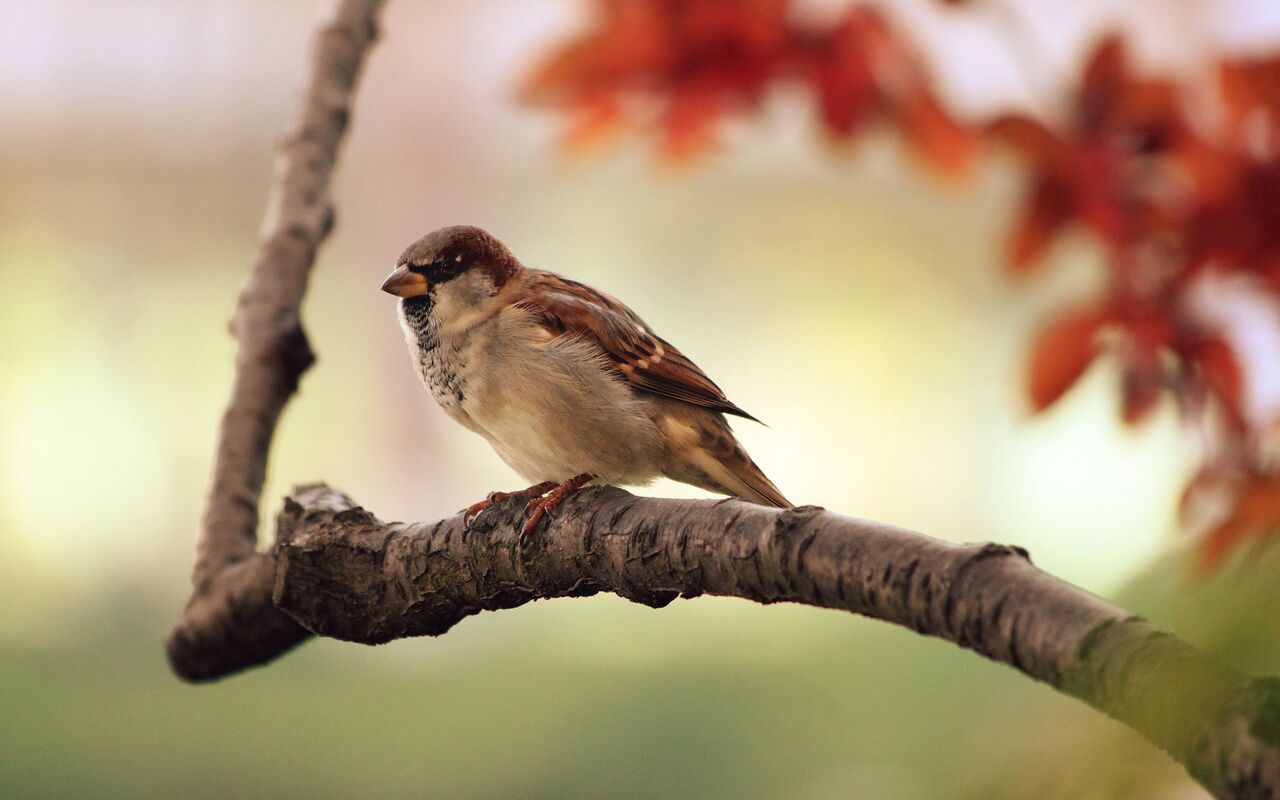
Dunnock (Prunella modularis)
The dunnock is a small, inconspicuous grey-brown bird measuring around 14–15 cm. It is often more reserved and is frequently seen around the edge of the feeding station, where it picks up small seeds and scraps.
- Food: small seeds, crumbs, seed mixes
- Behaviour: cautious, prefers to remain somewhat hidden
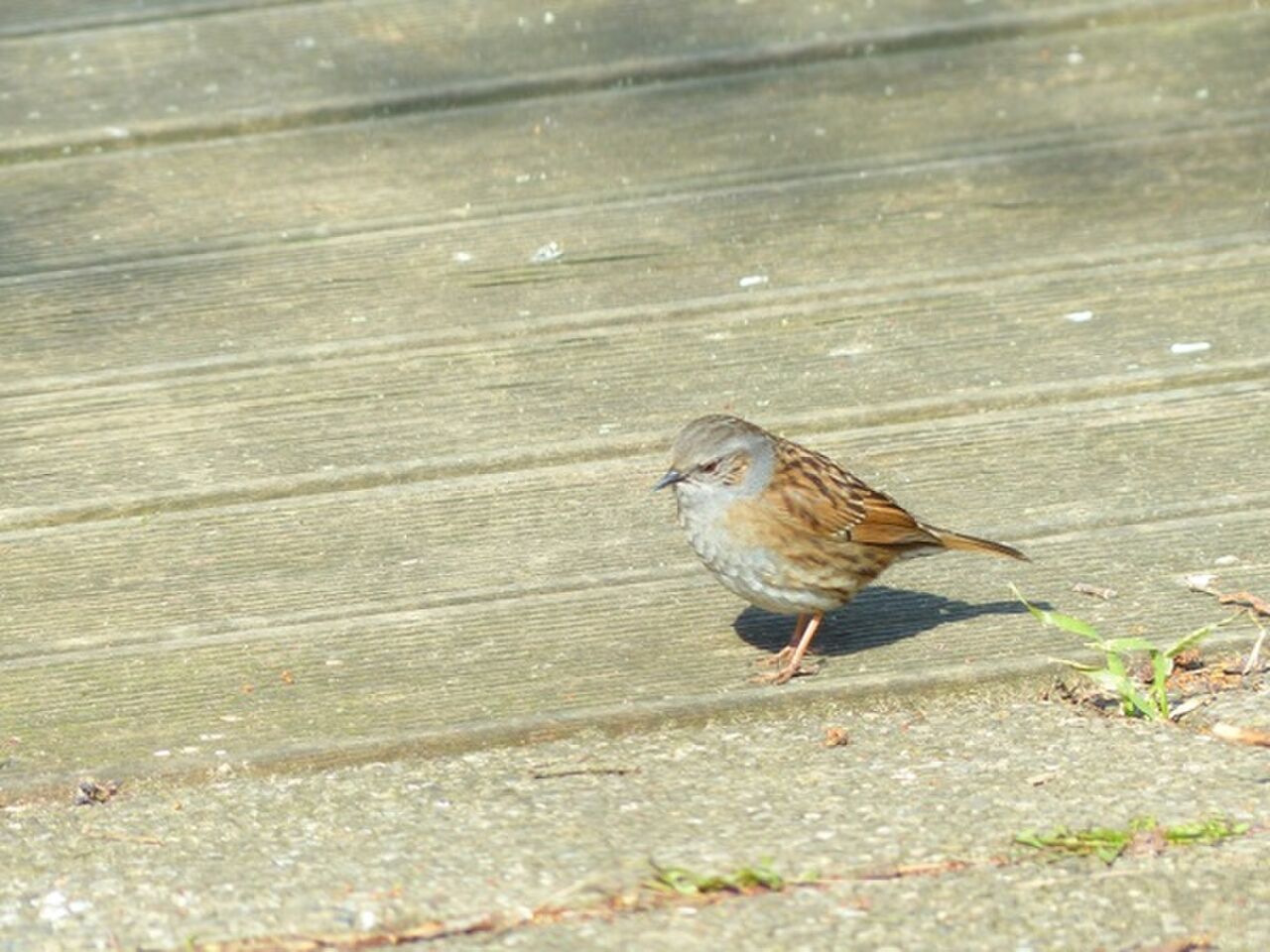
Wood pigeon (Columba palumbus)
The wood pigeon is large (approx. 38–43 cm) and may appear in flocks during the winter months. It often searches for food on the ground and can quickly consume large quantities if given access.
- Food: grain, seed mixes, spilled food beneath the feeding station
- Behaviour: large and heavy, prefers feeding on the ground
💡 Tip: If you want to prevent pigeons from eating all the food, use bird feeders and put out only small quantities at a time.
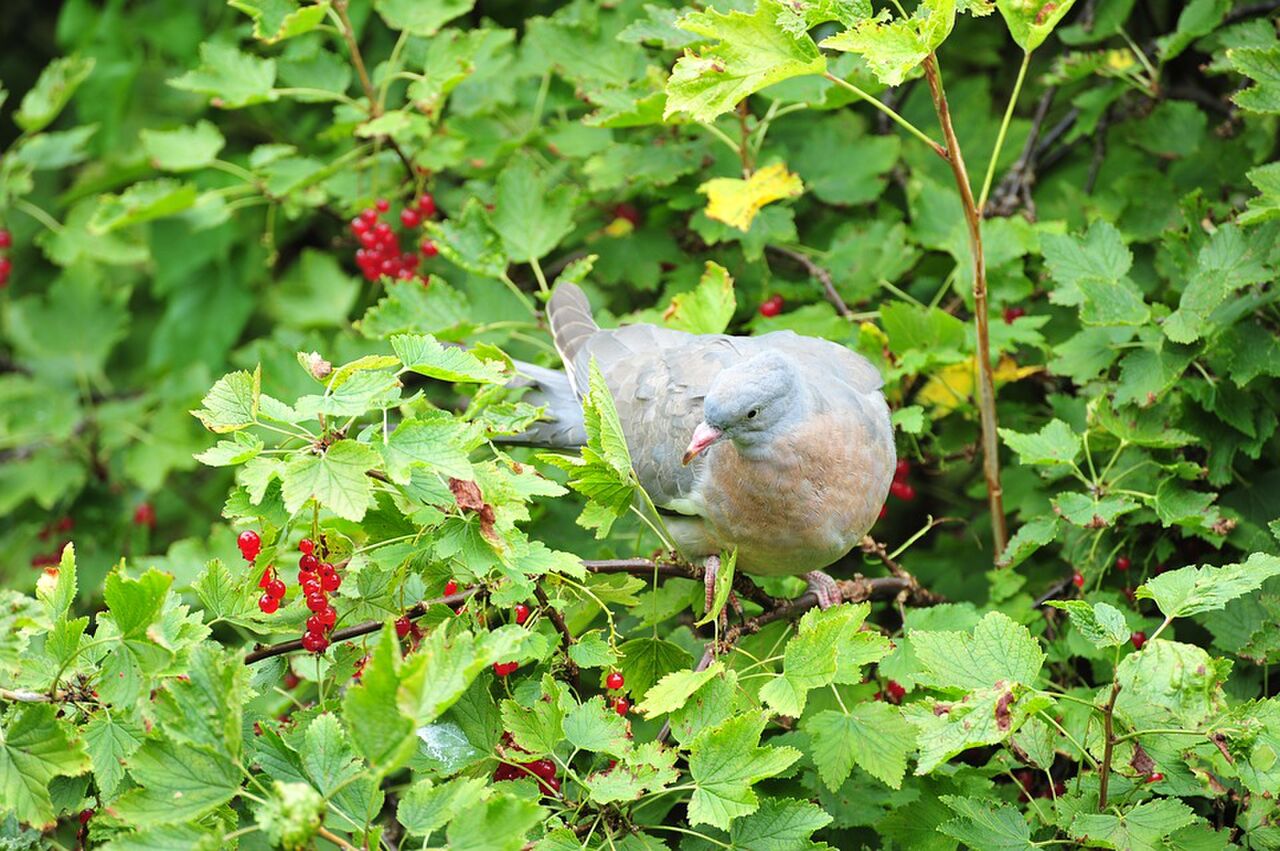
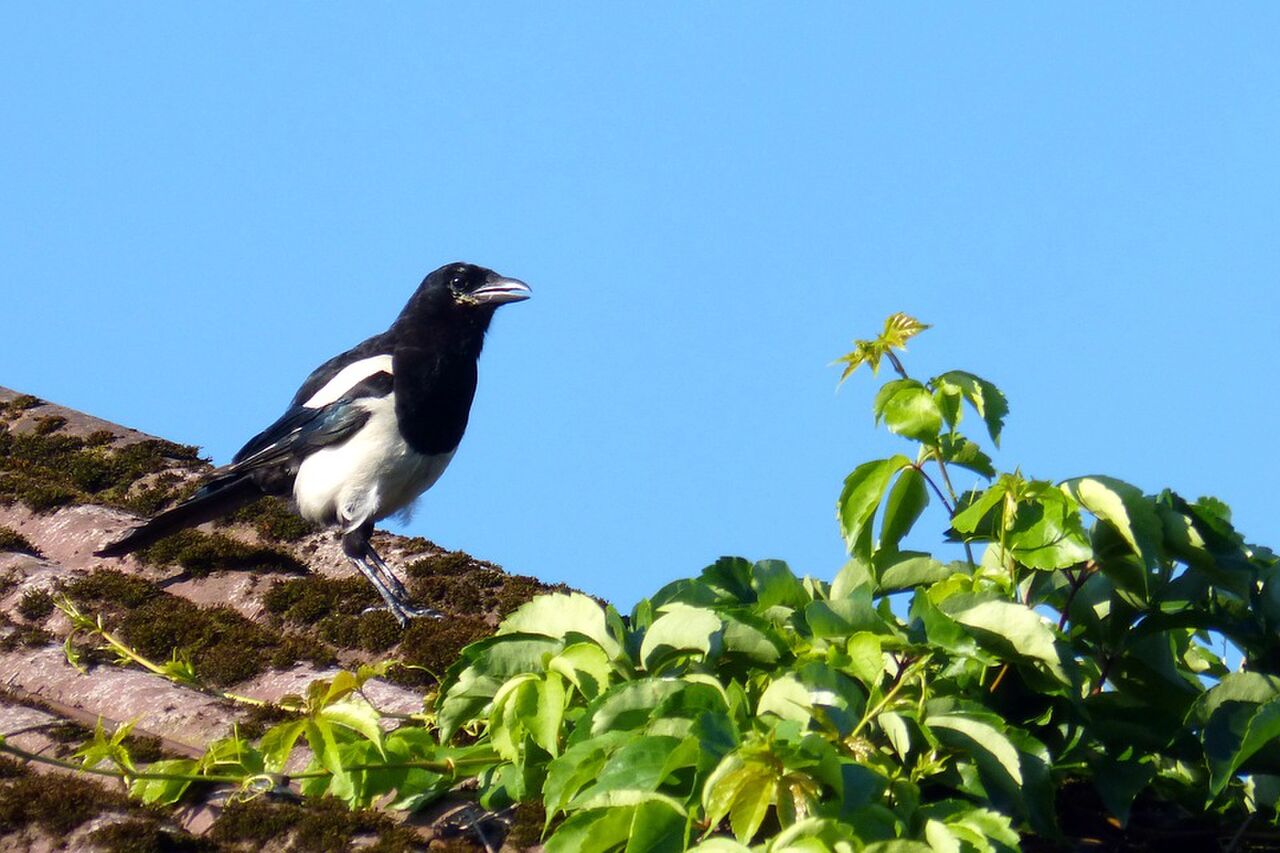
Magpie (Pica pica)
The magpie is easily recognised by its black-and-white plumage and long tail. It is intelligent, curious and opportunistic, and will eat many types of food.
- Food: varied diet, readily takes scraps and large pieces
- Behaviour: can scare small birds away, especially at small feeding stations
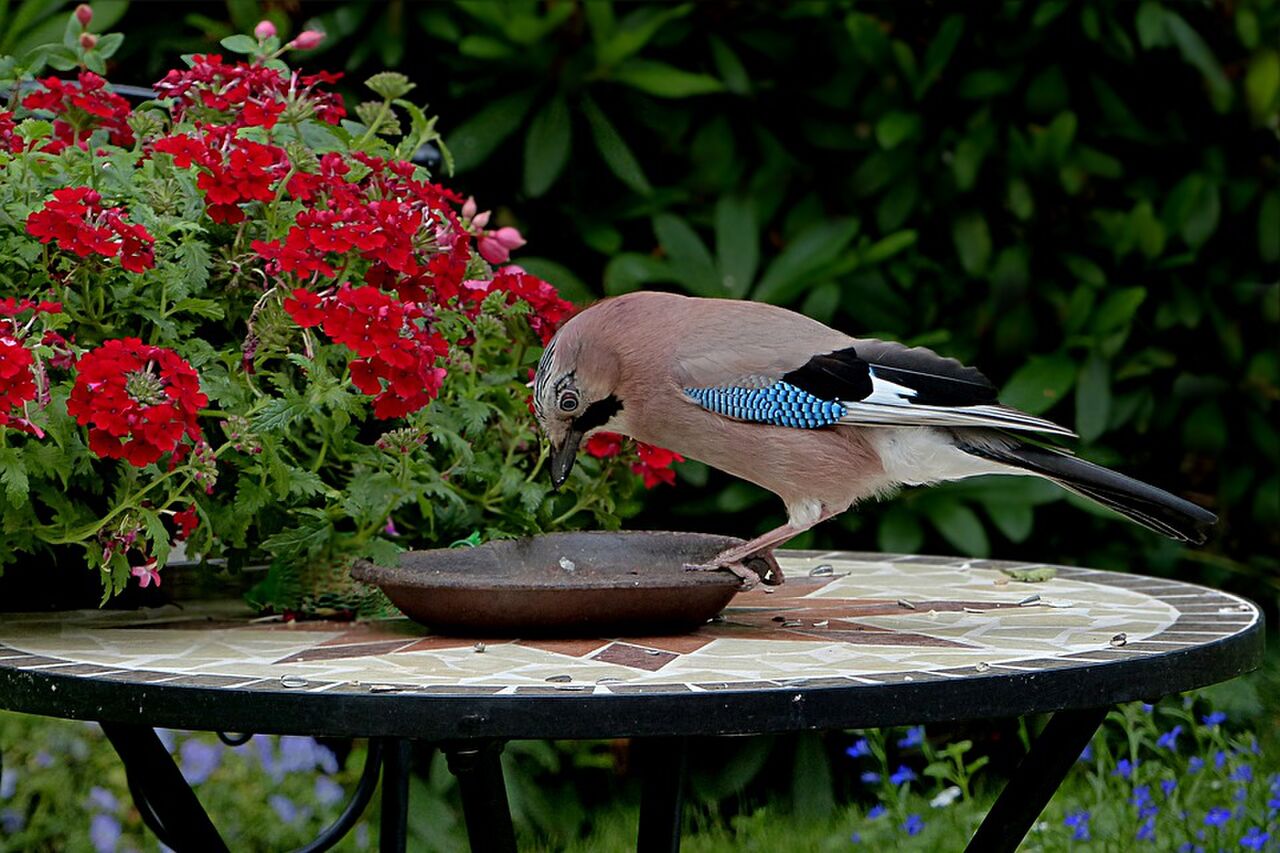
Eurasian jay (Garrulus glandarius)
The Eurasian jay is often seen near woodland and large trees. It has brownish plumage and distinctive blue/black wing patches and can be very shy.
- Food: nuts, large seeds, fat at certain times
- Behaviour: cautious, often arrives briefly and quickly flies away again
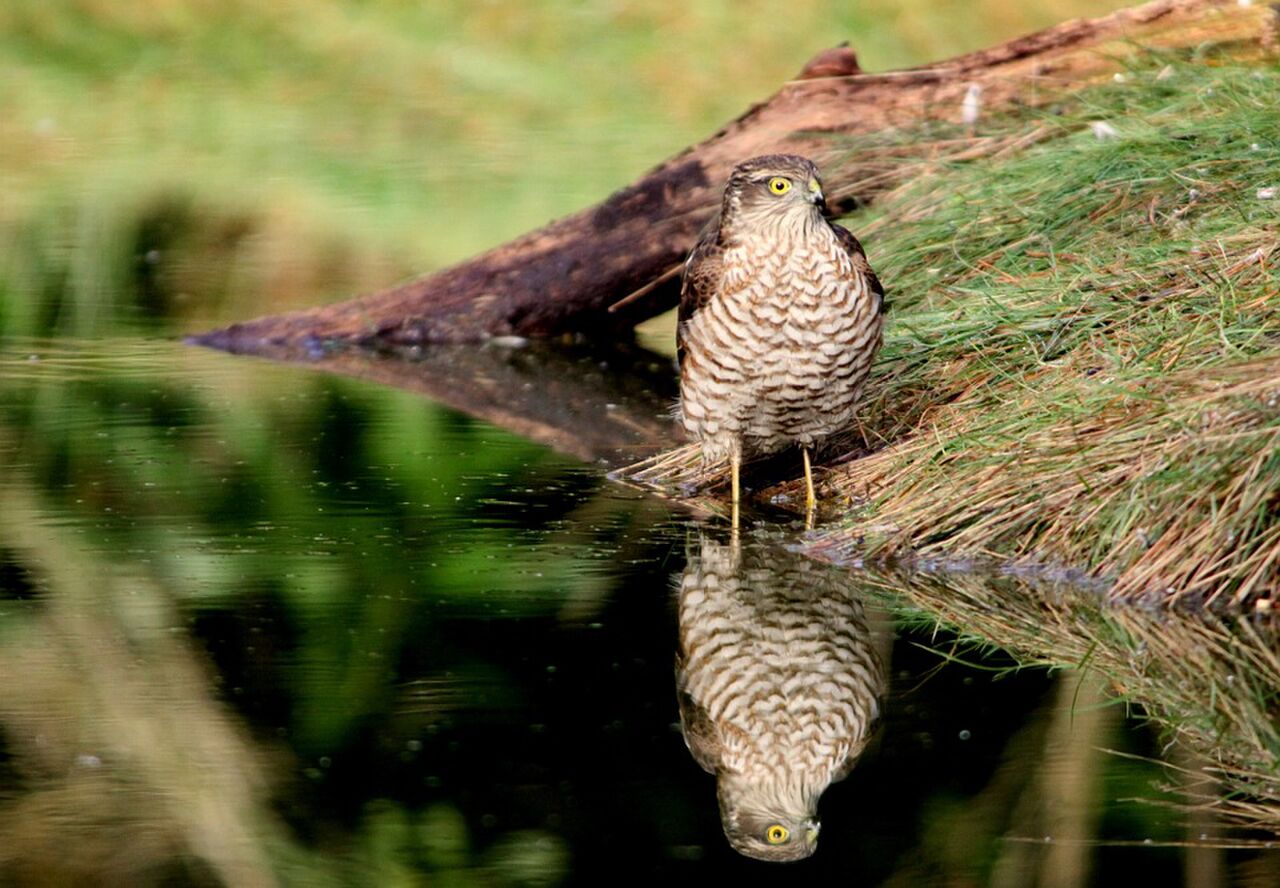
Eurasian sparrowhawk (Accipiter nisus)
The Eurasian sparrowhawk is a bird of prey that hunts small birds. It can occasionally be seen in gardens where many birds gather at feeding stations. The male is typically smaller than the female.
⚠️ Birds of prey are a natural part of the ecosystem. If a sparrowhawk appears, you can help the small birds by providing dense shrubs at a suitable distance, giving them places to escape and hide.
Northern goshawk (Accipiter gentilis)
The northern goshawk is larger than the Eurasian sparrowhawk and is typically seen near woodland and larger natural areas. It is rarer in gardens but may appear, especially if there are many pigeons in the area. The male is often around 49–56 cm long, while the female can be 58–64 cm.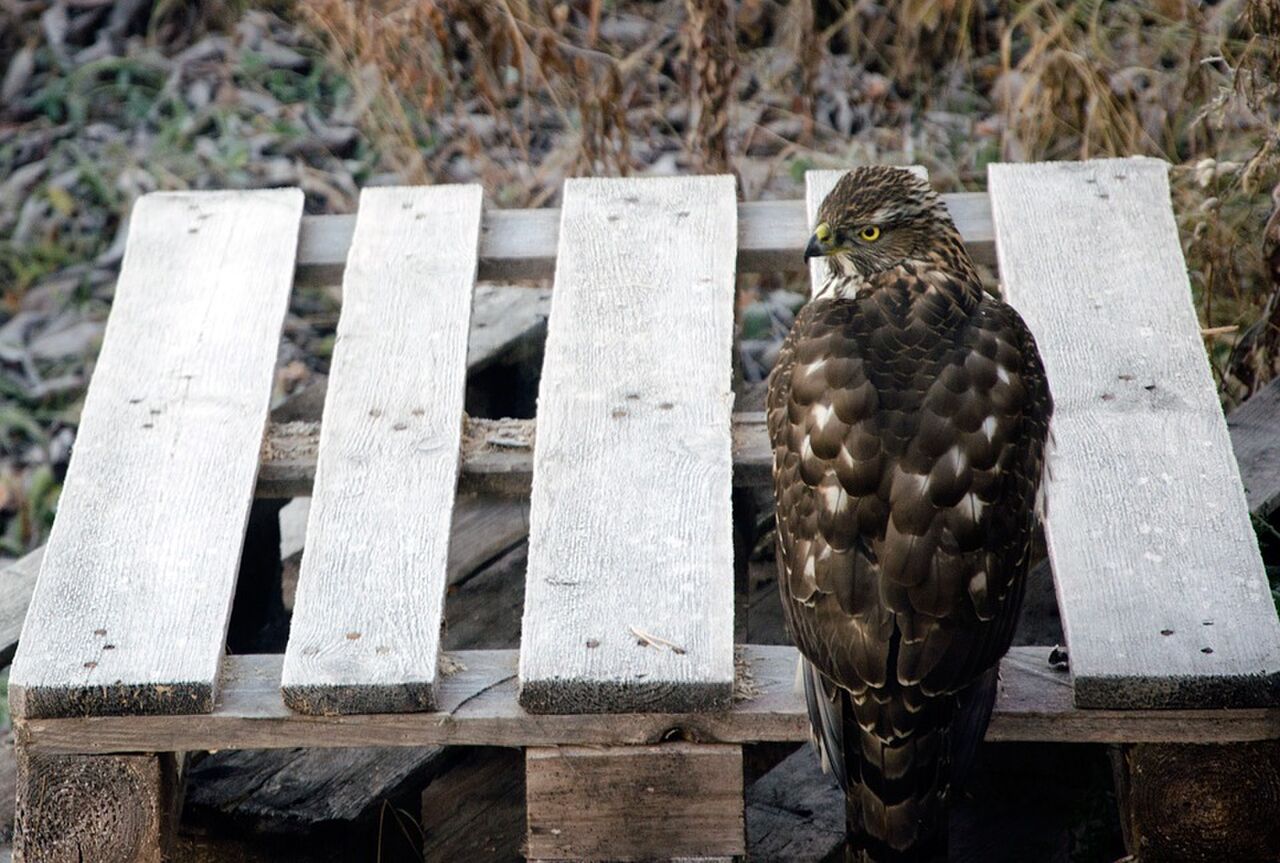
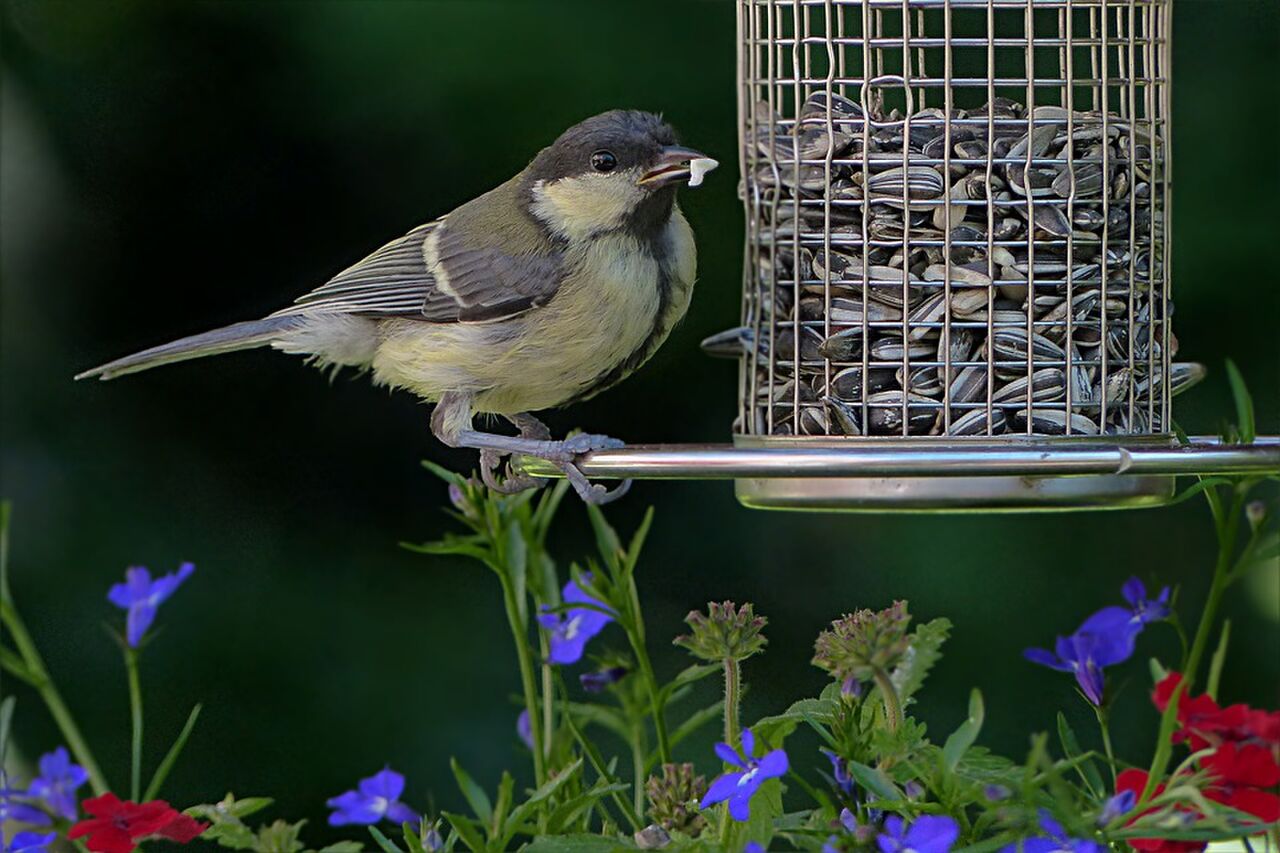
Great tit (Parus major)
The great tit is one of the best-known tits (approx. 14–15 cm). It has a yellow breast with a black stripe and white cheeks.
- Food: sunflower seeds, fat, peanuts in moderation
- Behaviour: quick at the feeder, often takes one seed and flies away
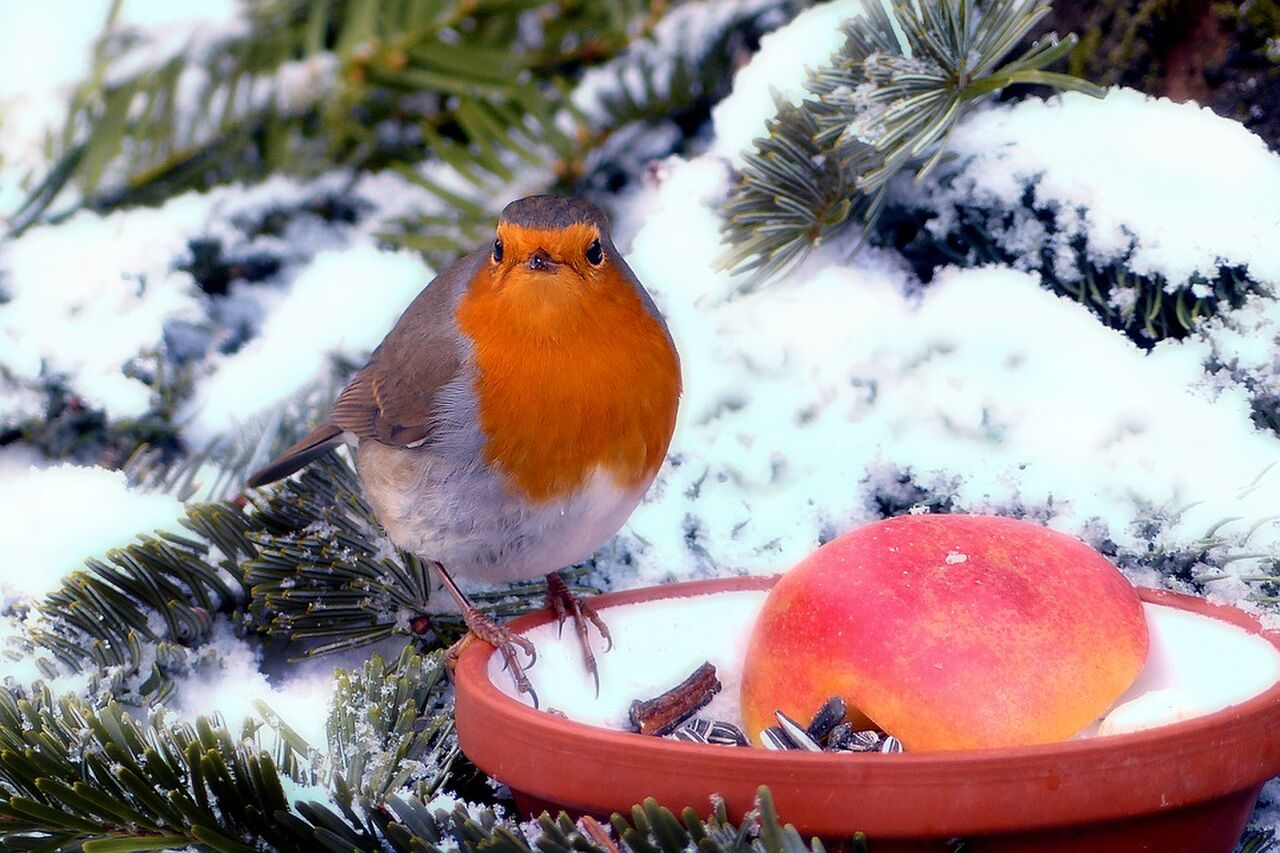
European robin (Erithacus rubecula)
The European robin is easily recognised by its orange breast. It is often cautious and is frequently seen on the ground beneath the feeding station, where it picks up crumbs and small pieces. It is typically around 13–14 cm long.
- Food: mealworms, crumbs from fat-based food, soft food
- Behaviour: prefers peace and quiet, often arrives alone
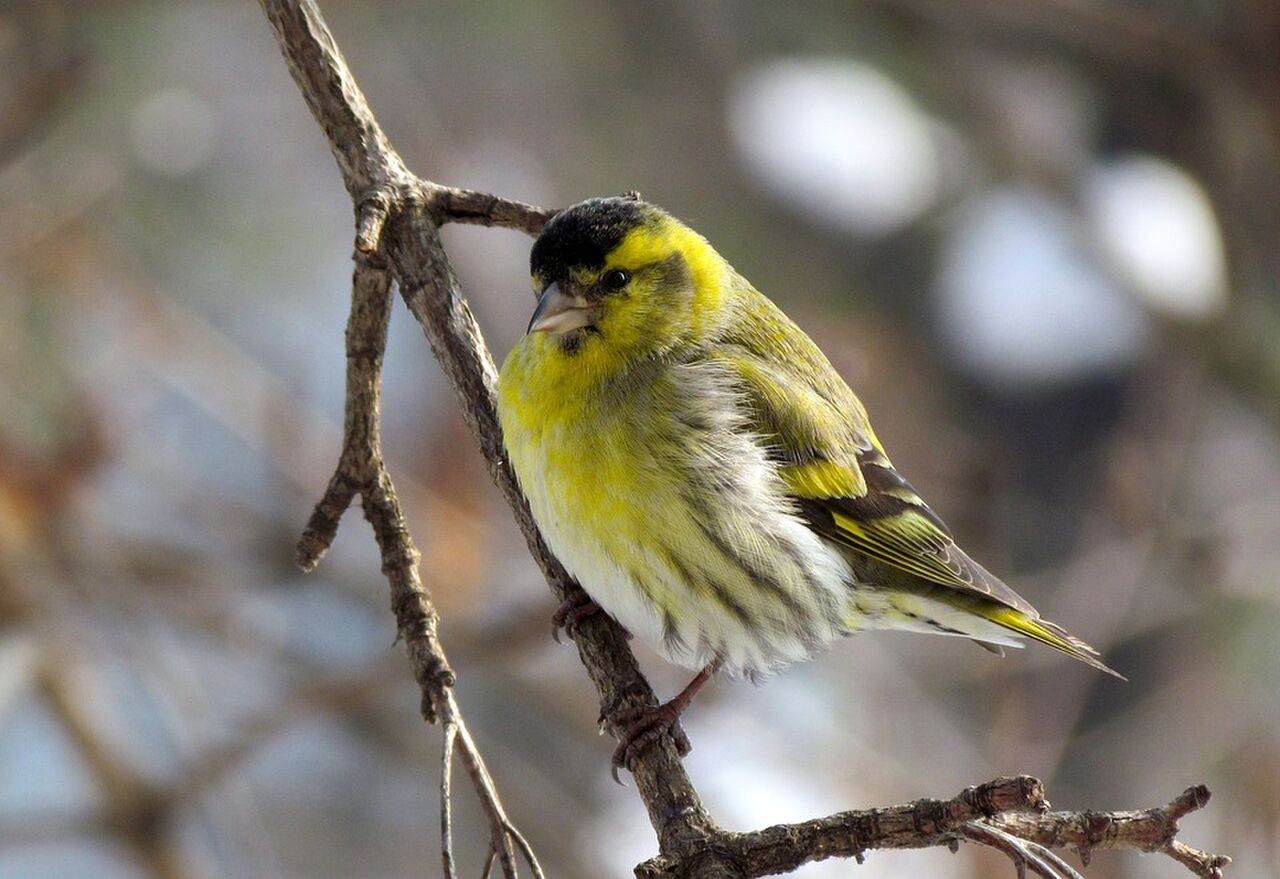
Eurasian siskin (Carduelis spinus)
The Eurasian siskin is small (approx. 11–12.5 cm) and may have distinctive yellow-green colouring. It often arrives in small flocks, especially where seeds and fat are available. In more recent sources, the species may also be called Spinus spinus.
- Food: sunflower seeds, seed mixes, fat
- Behaviour: a flocking bird that can be very active at the feeder
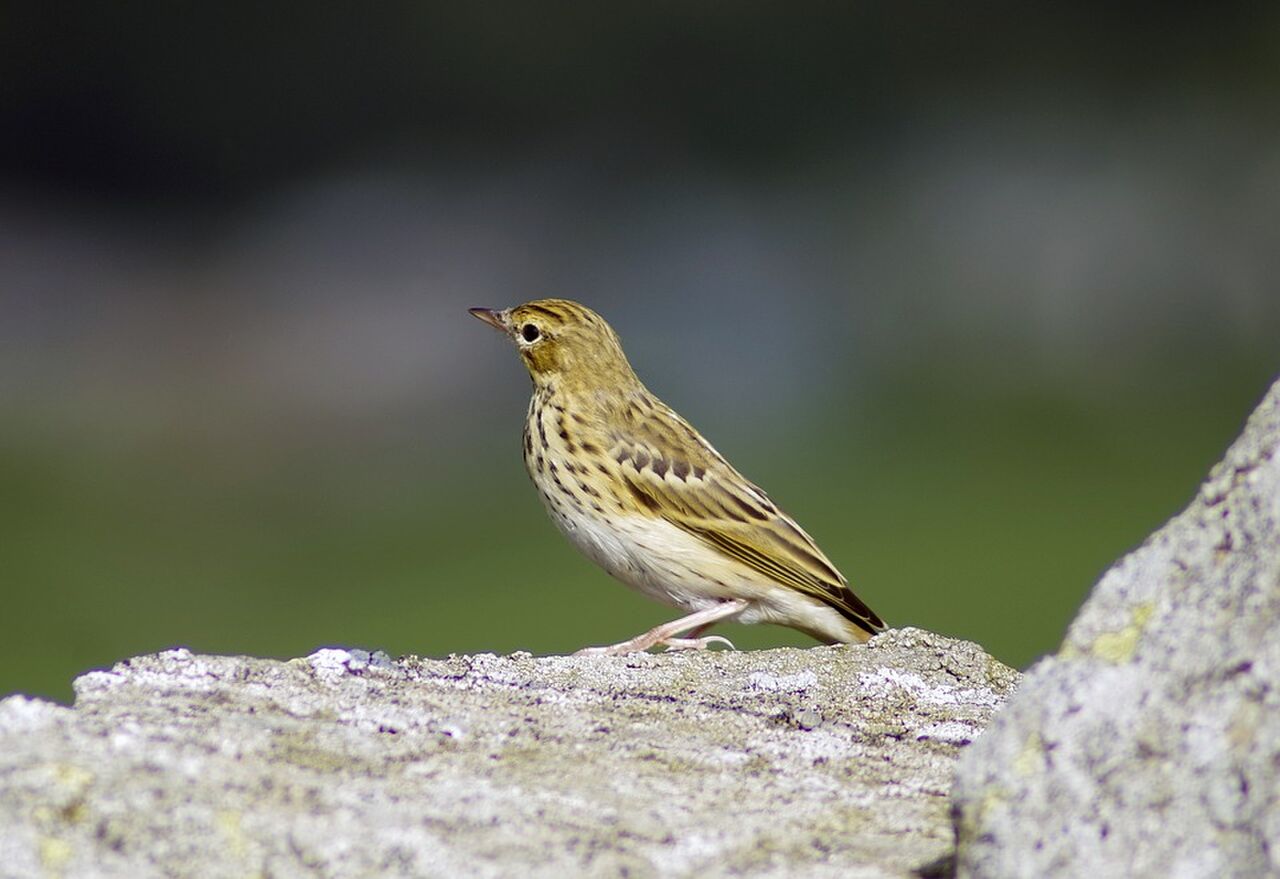
Yellowhammer (Emberiza citrinella)
The yellowhammer is a beautiful bird measuring around 16–17 cm, with yellowish plumage. It is often seen in open areas, near fields and in the countryside.
- Food: grain, seeds, bread scraps in small quantities
- Behaviour: often searches for food on the ground
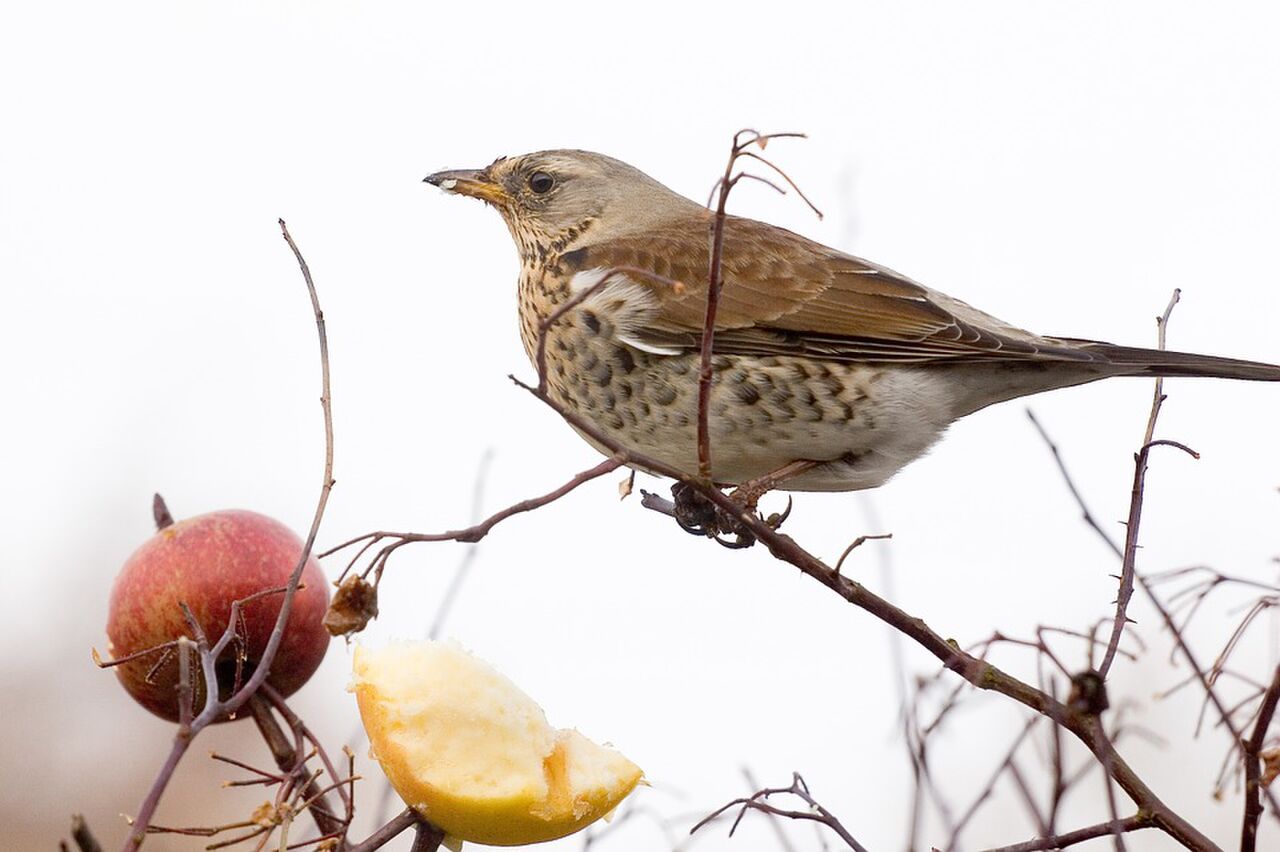
Fieldfare (Turdus pilaris)
The fieldfare is a thrush that may appear particularly in winter, often in flocks. It enjoys fruit and berries and can be an exciting visitor to gardens with fruit trees.
- Food: apples, berries, fruit
- Behaviour: may arrive in groups, especially during cold periods
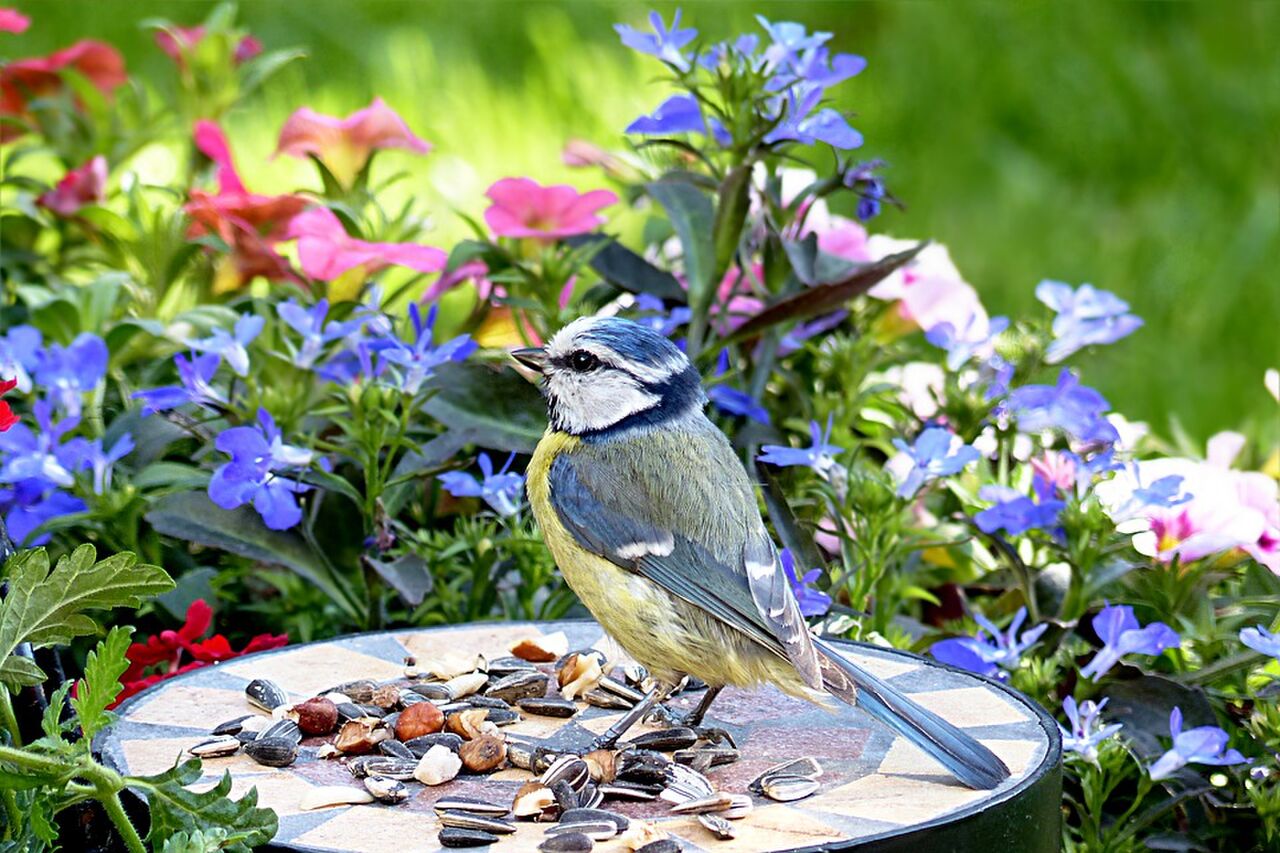
Blue tit (Cyanistes caeruleus)
The blue tit is a small tit that enjoys sunflower seeds and fat. It is quick and is often seen in the company of other tits. It is typically around 10.5–12 cm long.
- Food: sunflower seeds, fat balls, small seeds
- Behaviour: quick and agile, often carries food away
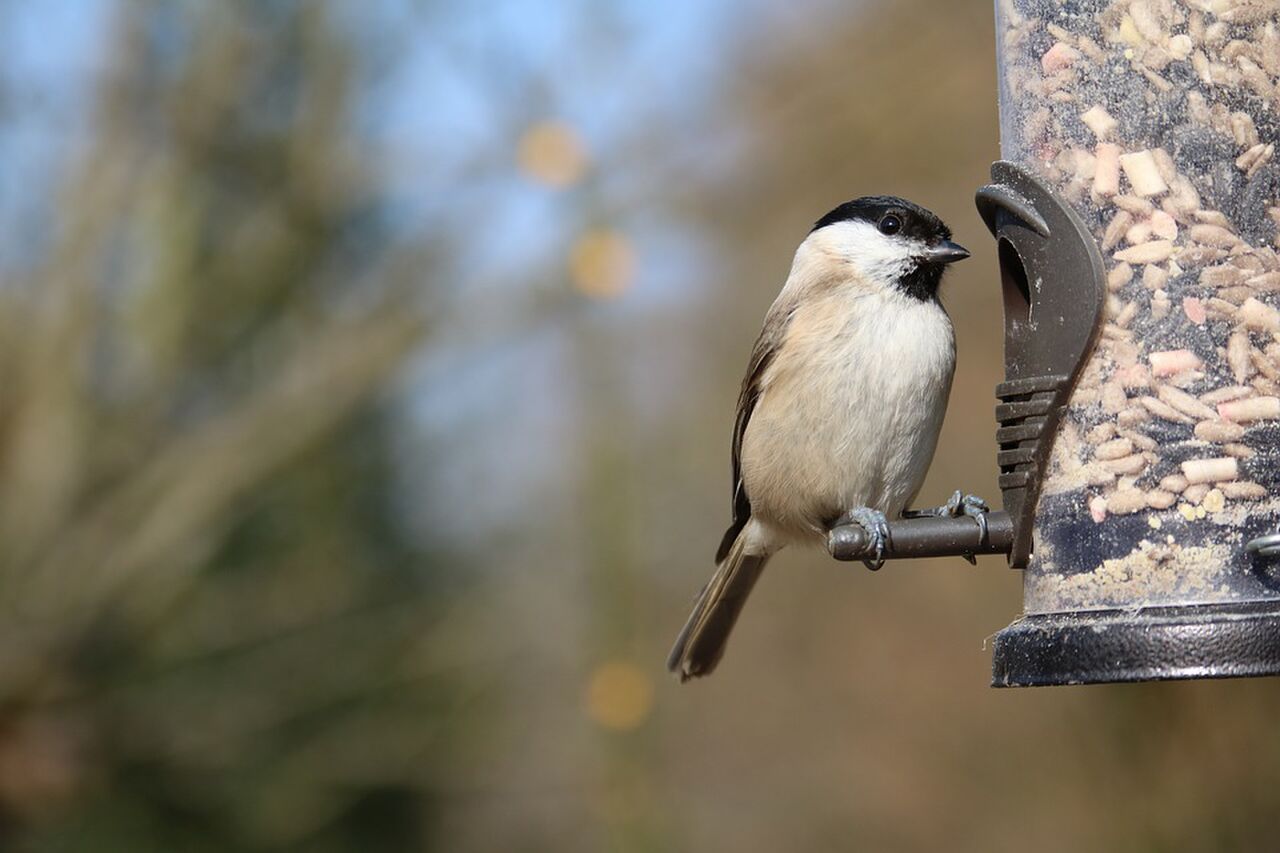
Marsh tit (Poecile palustris)
The marsh tit resembles other tits but can be slightly rarer in gardens. It readily eats small seeds and may become a regular visitor if the food is suitable.
- Food: small seeds, sunflower seeds, fat
- Behaviour: relatively inconspicuous, but can be a regular winter visitor
Feeding: quality, hygiene and safety
- Choose energy-rich food: Birds often prefer oil-rich seeds and high-energy mixes; it is best to avoid mixes containing a lot of maize/millet/grain, which can result in more waste.
- Only provide what will be eaten the same day: This reduces waste and problems with rotting food and pests.
- Clean regularly: Bird feeders should be cleaned with hot water (and mild soap if necessary) – approx. monthly or more often in damp weather/periods of high activity.
- Watch for signs of disease: If you find sick or dead birds near the feeding station, stop feeding temporarily and clean the area thoroughly.
- Peanuts in moderation: Only use feed-grade peanuts from a reliable supplier (aflatoxin-free), and avoid old/mouldy nuts.
❓ Frequently asked questions
Which birds are most commonly seen in gardens during winter?
It varies depending on the area and the food provided, but common winter visitors to feeding stations include blackbirds, tree sparrows, house sparrows, great tits and blue tits. European robins and Eurasian siskins are also seen in some gardens.
Which food attracts the most winter birds to the garden?
Variety is key: energy-rich seeds (such as sunflower seeds), fat and fruit typically attract more species – and fruit can attract thrushes such as blackbirds and fieldfares.
How often should I clean the feeding station?
Clean bird feeders regularly with hot water (and mild soap if necessary). A good rule of thumb is about once a month, but more often in damp weather or during periods of high activity. Also keep the area beneath the feeding station as clean as possible.
What should I do if a Eurasian sparrowhawk appears?
It is natural. Provide the small birds with shrubs/dense planting at a suitable distance so that they have good places to escape and hide.